


Persuasive Product Psychology: Habits & Engagement PDF Book
Help users build long lasting habits and influence their product engagement with Product Psychology
Explore the essential role of psychology in fostering user engagement and habit formation through thoughtful product design. This book goes beyond typical design guides by unraveling the psychological traits that encourage users to return repeatedly and engage more deeply with products. From creating compelling user experiences to fostering long-term loyalty, learn how to ethically embed persuasive elements that keep users coming back.
With actionable tools and knowledge, this guide will help you incorporate strategies that foster better user experiences, help build lasting habits, and ensure your products are not only engaging but truly resonate with users on a continual basis.
PDF Book
Goes well with

Design products people return to
Learn how to build lasting habits, deepen user engagement, and create products that become part of people’s lives.
This book breaks down how psychological principles shape habit formation, sustained engagement, and user loyalty.
This is a practical guide for product designers who want to create products users love, value, and come back to consistently.
See what’s inside

See what’s inside
Inside these pages you will uncover:
Foundational theoretical knowledge about the core principles of design psychology from rhetorics to behavioral economics.
Tools for behavioral diagnosis to understand user behavior and identify barriers and enabling factors influencing user engagement and satisfaction.
Practical frameworks and strategies to help you design with a behavioral lens.
Practical tips that will spark creative solutions informed by psychology.
Each Habits & Engagement pattern unfolded in detail with theoretical underpinnings and practical tips for getting their implementaiton right.
An undestanding of not just what users say or do, but what blocks- or enables users from reaching their goals.
Foundational theoretical knowledge about the core principles of design psychology from rhetorics to behavioral economics.
Tools for behavioral diagnosis to understand user behavior and identify barriers and enabling factors influencing user engagement and satisfaction.
Practical frameworks and strategies to help you design with a behavioral lens.
Practical tips that will spark creative solutions informed by psychology.
Each Habits & Engagement pattern unfolded in detail with theoretical underpinnings and practical tips for getting their implementaiton right.
An undestanding of not just what users say or do, but what blocks- or enables users from reaching their goals.
Most products get attention.
Getting a user to sign up is one challenge.
Getting them to come back tomorrow, next week, and next month is another.
Getting a user to sign up is one challenge.
Getting them to come back tomorrow, next week, and next month is another.
Most teams work hard on acquisition, activation, and onboarding, but still struggle with the real test of product value:
- Why do users drop off after trying the product?
- Why do some products become part of a routine while others get forgotten?
- Why do some experiences create momentum, mastery, and loyalty?
- Why do users engage deeply with one product but only occasionally with another?
This book is built around those questions.
It focuses on the psychology behind engagement and habit formation, then turns that into practical product design guidance.
Most teams work hard on acquisition, activation, and onboarding, but still struggle with the real test of product value:
- Why do users drop off after trying the product?
- Why do some products become part of a routine while others get forgotten?
- Why do some experiences create momentum, mastery, and loyalty?
- Why do users engage deeply with one product but only occasionally with another?
This book is built around those questions.
It focuses on the psychology behind engagement and habit formation, then turns that into practical product design guidance.
Turn behavioral design into long-term engagement
Inside, you will learn how to:
- design for habit formation
- strengthen onboarding and activation
- improve retention and repeat use
- create motivating product experiences
- build stronger long-term relationships with users
- apply persuasive psychology ethically
The book is created as a bridge between psychological theory and practical product design, with the goal of helping designers create products users love and return to.
Inside, you will learn how to:
- design for habit formation
- strengthen onboarding and activation
- improve retention and repeat use
- create motivating product experiences
- build stronger long-term relationships with users
- apply persuasive psychology ethically
The book is created as a bridge between psychological theory and practical product design, with the goal of helping designers create products users love and return to.
What you will learn inside Habits & Engagement
Learn the psychological foundations of habit formation and sustained engagement so you can design products that fit naturally into users’ routines.
The book directly connects these principles to onboarding workflows, activation, and long-term retention.
It is designed to move you away from shallow engagement tactics and toward a more profound psychology-informed approach.
The book emphasizes products that users love, value, and return to regularly because they support meaningful outcomes.
Learn the psychological foundations of habit formation and sustained engagement so you can design products that fit naturally into users’ routines.
The book directly connects these principles to onboarding workflows, activation, and long-term retention.
It is designed to move you away from shallow engagement tactics and toward a more profound psychology-informed approach.
The book emphasizes products that users love, value, and return to regularly because they support meaningful outcomes.
Who this is for
Product designers
UX designers
UI designers
Product managers
Growth designers
Founders building conversion-focused products
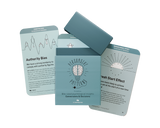
Teams using the Persuasive Patterns card deck and wanting deeper guidance
The book is explicitly intended for product designers who want to enhance their work through applied psychology, while complementing the card deck with deeper explanations and practical use.
Product designers
UX designers
UI designers
Product managers
Growth designers
Founders building conversion-focused products
Teams using the Persuasive Patterns card deck and wanting deeper guidance
The book is explicitly intended for product designers who want to enhance their work through applied psychology, while complementing the card deck with deeper explanations and practical use.
“I already know UX.”
This book is designed to build on the UX tools and frameworks you already use, while deepening your understanding of user behavior through psychology.
“I do not want manipulative engagement tactics.”
Good. The book emphasizes ethical design, respect for autonomy, user well-being, transparency, and long-term trust.
“I need practical guidance, not theory alone.”
The book is practical and actionable, with guidance you can implement in products.
“I care about retention, not just engagement vanity metrics.”
That is exactly the angle here: onboarding, activation, retention, long-term relationships, and meaningful repeated use.
“I already know UX.”
This book is designed to build on the UX tools and frameworks you already use, while deepening your understanding of user behavior through psychology.
“I do not want manipulative engagement tactics.”
Good. The book emphasizes ethical design, respect for autonomy, user well-being, transparency, and long-term trust.
“I need practical guidance, not theory alone.”
The book is practical and actionable, with guidance you can implement in products.
“I care about retention, not just engagement vanity metrics.”
That is exactly the angle here: onboarding, activation, retention, long-term relationships, and meaningful repeated use.
Frequently Asked Questions
We do! Get in touch at info@learningloop.io with your credentials (non-profit status or student ID) and we will arrange a discount for you.
This book is intended for product designers, product managers, founders, and anyone interested in applying behavioral design to create impactful user experiences.
It is a guide to applying psychological principles to product design with a focus on habits, engagement, and long-term user relationships.
Yes. The book is described as a deeper companion to the deck.
Yes – that too. It is designed to guide designers and product people at all levels craft compelling and effective user experiences.
While the book stands alone as a valuable resource, having the card deck will enhance your experience as you apply the principles with your team.
This book will enhance your knowledge about product psychology and provide you with a range of theoretical and practical frameworks for applying it to your product.
The current version of the book is a draft version of the forthcoming final publication. As a work in progress, this draft may contain inaccuracies, incomplete information, or flawed explanations. Readers are advised to use this version with the understanding that revisions and updates will follow.
Your feedback is crucial to refining and enhancing the content of this book. Should you have any comments, suggestions, or find any errors, please report them to anders@learningloop.io. We greatly appreciate your contributions and
insights, which play a vital role in the development process of this publication.
The digital PDF book is emailed to you immediately after your checkout. If it does not show up, then please check your spam folder.
You can also download the book by logging into your account. If you forgot your password, you can set a new one by using the email address you bought the card deck with.
The digital copy of the book is a PDF book.
Of course. We will automatically email you an invoice after making a purchase. Watch your spam folder as the PDF file attached have a tendency to get stuck there.